Trump Celebrates Strait of Hormuz Reopening Amidst Tensions with Iran
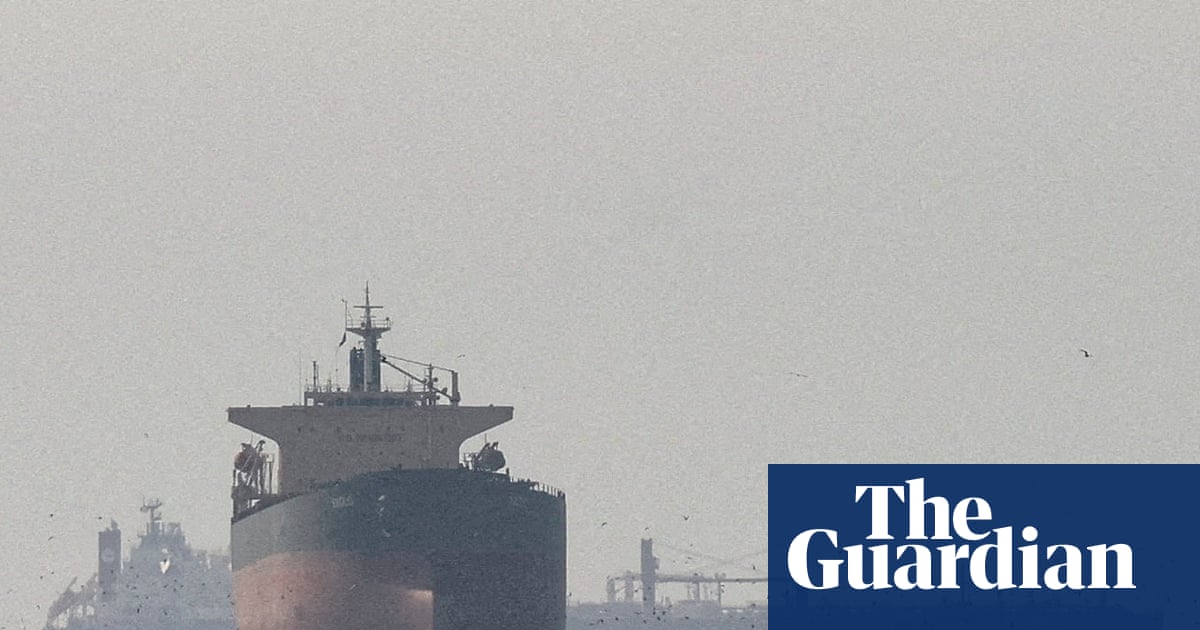
The reopening of the **Strait of Hormuz** is a significant development, but the threat of closure still looms large. **President Trump** has stated that the **U
Summary
The reopening of the **Strait of Hormuz** is a significant development, but the threat of closure still looms large. **President Trump** has stated that the **US blockade** will remain in place until the conflict is fully resolved, while **Iranian officials** have warned of severe consequences if the blockade continues. The situation is further complicated by the involvement of other **global powers**, including **China** and **Europe**, who have significant economic interests in the region. As the situation continues to evolve, it remains to be seen how the **US** and **Iran** will navigate this complex and sensitive issue. The **United Nations** has called for dialogue and diplomacy to resolve the crisis, while **Iran** has stated that it will not back down in the face of **US** pressure.
Key Takeaways
- The Strait of Hormuz has reopened, but the threat of closure still looms large
- Iranian officials have warned that they may shut the strait again if the US blockade continues
- President Trump has stated that the US blockade will remain in place until the conflict is fully resolved
- The situation is highly sensitive and complex, with both the US and Iran having legitimate concerns and interests
- The International Community must take all necessary measures to prevent a conflict and support diplomatic efforts to find a peaceful resolution
Balanced Perspective
The situation in the **Strait of Hormuz** is complex and multifaceted, with both the **US** and **Iran** having legitimate concerns and interests. The **US blockade** has had a significant impact on **Iran's economy**, and it is understandable that **Iranian officials** are warning of severe consequences if the blockade continues. At the same time, **President Trump** has a responsibility to protect **US interests** and ensure the safety of **US citizens**. The involvement of **global powers**, including **China** and **Europe**, can help to facilitate a dialogue and find a mutually beneficial solution. However, it is also important to recognize that the situation is highly sensitive and that any **miscalculation** could have severe consequences. The **United Nations** can play a key role in supporting **diplomatic efforts** and encouraging **cooperation** between the **US** and **Iran**.
Optimistic View
The reopening of the **Strait of Hormuz** is a positive development, and a sign that **diplomacy** can work even in the most challenging of circumstances. **President Trump** has shown that he is willing to take a firm stance on the issue, while also being open to finding a peaceful resolution. The involvement of **global powers**, including **China** and **Europe**, can help to facilitate a dialogue and find a mutually beneficial solution. With **20% of the world's oil** passing through the **Strait of Hormuz**, it is in everyone's interest to find a peaceful resolution to this crisis. The **International Community** can play a key role in supporting **diplomatic efforts** and encouraging **cooperation** between the **US** and **Iran**.
Critical View
The reopening of the **Strait of Hormuz** is a temporary reprieve, and the threat of closure still looms large. **President Trump**'s decision to maintain the **US blockade** is a provocative move that could escalate tensions with **Iran**. The **Iranian officials**' warning that they may shut the strait again is a serious threat, and one that could have severe consequences for the **global economy**. The involvement of **global powers**, including **China** and **Europe**, may not be enough to prevent a conflict, and the situation could spiral out of control. The **US** and **Iran** have a long history of tensions, and it is unlikely that a peaceful resolution will be found anytime soon. The **International Community** must be prepared for the worst and take all necessary measures to prevent a **catastrophic conflict**.
Source
Originally reported by The Guardian