Strait of Hormuz Dispute Escalates: Iranian Official Warns of Closure
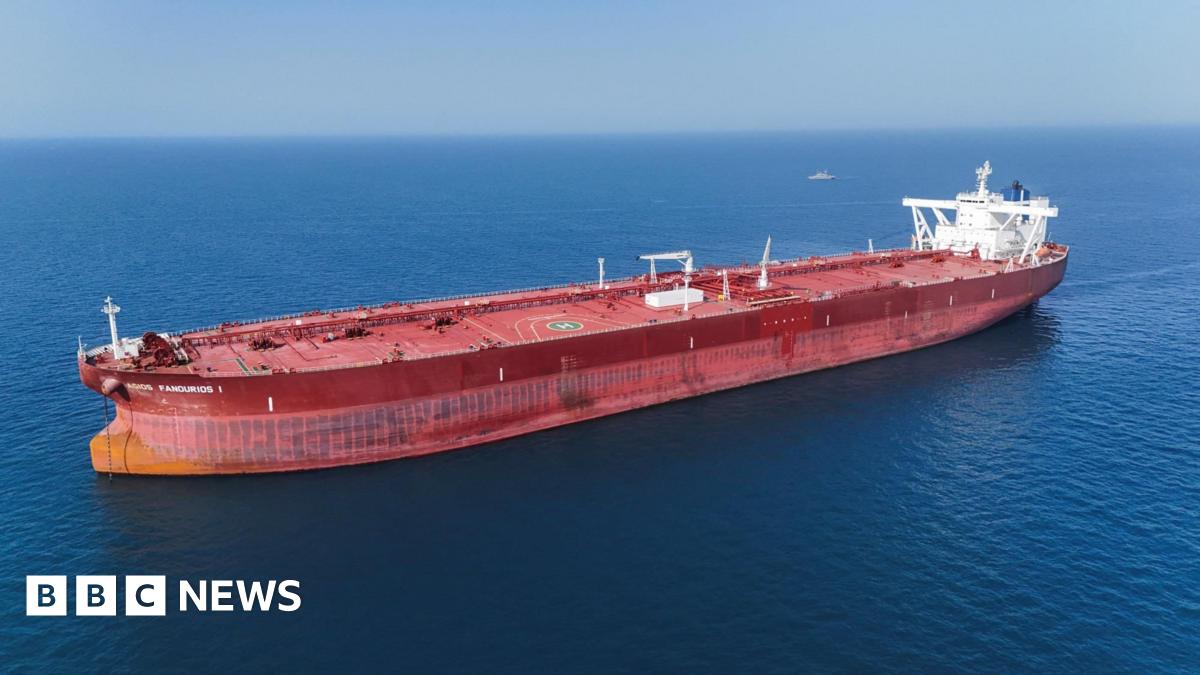
Iran's parliament speaker has warned that the **Strait of Hormuz** will 'not remain open' if the **US** continues its blockade of Iranian ports. The statement c
Summary
Iran's parliament speaker has warned that the **Strait of Hormuz** will 'not remain open' if the **US** continues its blockade of Iranian ports. The statement comes as **US President Donald Trump** claims the blockade will remain in place until a peace deal is reached. Meanwhile, **Iran's foreign minister** says the Strait is 'completely open' to commercial ships, but **oil prices** have fallen by nearly 10% following the announcement. The situation is complex, with **China** and other nations weighing in on the dispute. For more on the **Iran-US relations**, see [[iran-us-relations|Iran-US Relations]]. The **Strait of Hormuz** is a critical waterway, with [[oil-prices|oil prices]] and global trade hanging in the balance. As the situation unfolds, **international diplomacy** will be crucial in preventing further escalation.
Key Takeaways
- The US blockade of Iranian ports has sparked a response from Iran, with warnings of retaliatory measures
- The Strait of Hormuz is a critical waterway, and any disruption could have significant consequences for global trade and oil prices
- The US and Iran have a long history of tensions, and the current dispute is just the latest chapter
- International diplomacy will be crucial in preventing further escalation
- The situation is complex, with multiple nations and interests involved
Balanced Perspective
The situation in the **Strait of Hormuz** is complex, with multiple nations and interests involved. The **US blockade** of Iranian ports has sparked a response from **Iran**, but the exact outcome is uncertain. **Oil prices** have fallen, but the long-term impact on **global trade** is still unclear. For more on the **economics of oil**, see [[economics-of-oil|Economics of Oil]]. The **US** and **Iran** have a long history of tensions, and the current dispute is just the latest chapter. As the situation develops, **caution** and **prudence** will be essential in navigating the complex web of interests and alliances.
Optimistic View
The current dispute between the **US** and **Iran** may be a catalyst for renewed diplomatic efforts, potentially leading to a more stable and peaceful region. With **China** and other nations involved, there is a chance for **multilateral cooperation** to address the underlying issues. For more on the **history of Iran-US relations**, see [[iran-us-relations|Iran-US Relations]]. The **Strait of Hormuz** is a critical waterway, and any agreement to keep it open would be a significant step forward. As the situation unfolds, **optimism** and **flexibility** will be essential in finding a resolution.
Critical View
The current dispute between the **US** and **Iran** has the potential to escalate into a full-blown conflict, with significant consequences for **global stability** and **oil prices**. The **Strait of Hormuz** is a critical waterway, and any disruption could have far-reaching impacts on **global trade**. For more on the **history of conflict in the region**, see [[middle-east-conflict|Middle East Conflict]]. The **US** and **Iran** have a long history of tensions, and the current dispute is just the latest example. As the situation unfolds, **concern** and **vigilance** will be essential in preventing further escalation.
Source
Originally reported by BBC