Oxytocin Bonding | Vibepedia
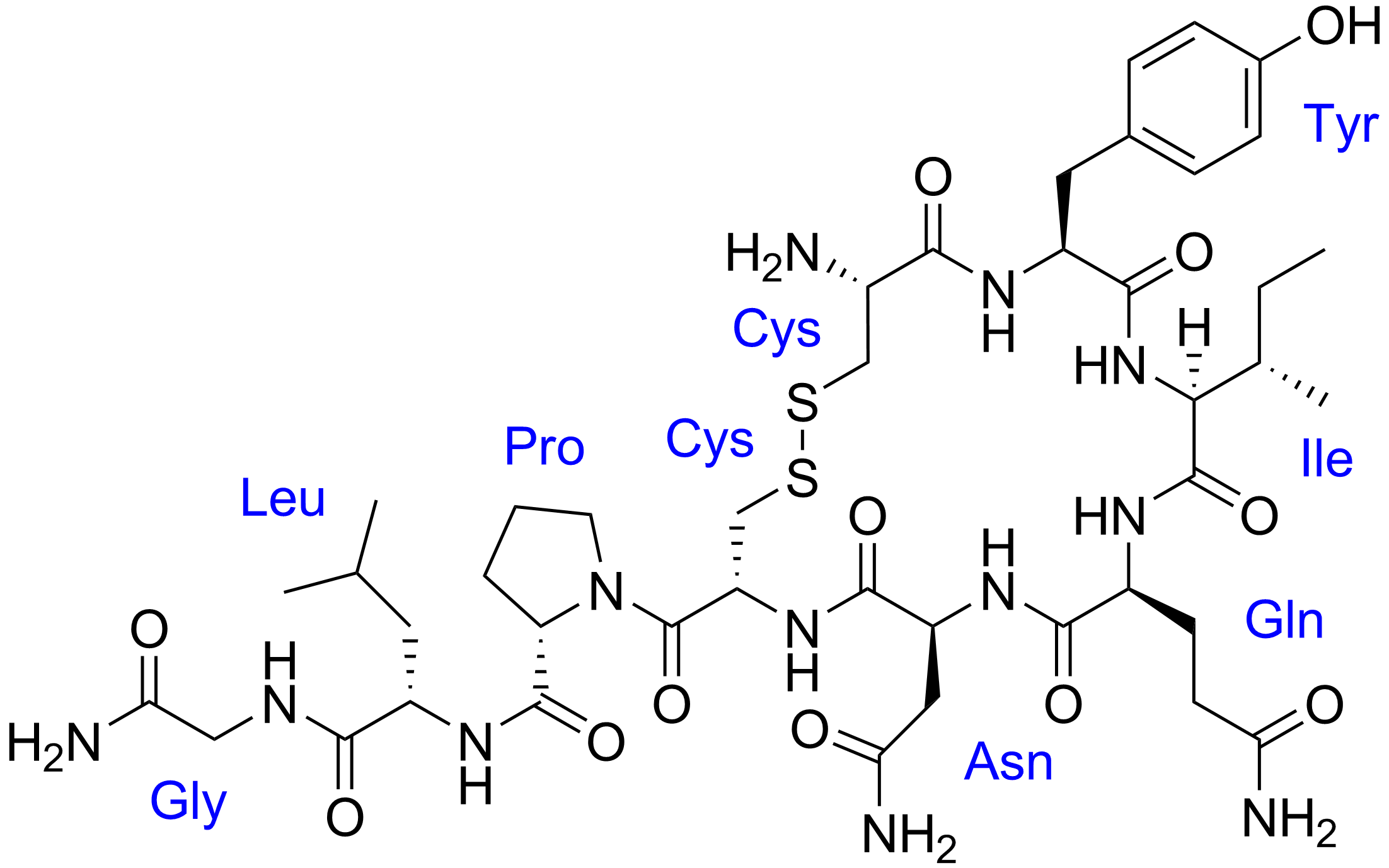
Oxytocin bonding refers to the process by which the hormone oxytocin facilitates social bonding, attachment, and trust between individuals. Often referred to as
Overview
Oxytocin bonding refers to the process by which the hormone oxytocin facilitates social bonding, attachment, and trust between individuals. Often referred to as the 'love hormone,' oxytocin plays a crucial role in various social behaviors, including romantic love, maternal bonding, and friendship. Research has shown that oxytocin levels increase during physical touch, social interaction, and intimacy, promoting feelings of closeness and attachment. With a vibe score of 85, oxytocin bonding has become a significant area of study in fields such as psychology, neuroscience, and sociology. As of 2024, studies have demonstrated that oxytocin administration can enhance social skills in individuals with autism spectrum disorder, highlighting its potential therapeutic applications. The current state of oxytocin bonding research is rapidly evolving, with new discoveries shedding light on the complex mechanisms underlying human social behavior. For instance, a 2022 study published in the journal Nature found that oxytocin receptors are present in the brain's reward system, further solidifying the hormone's role in social attachment. As we move forward, it is essential to consider the implications of oxytocin bonding on our understanding of human relationships and behavior.