New Urbanist Cities: Redesigning the Future of Urban Living
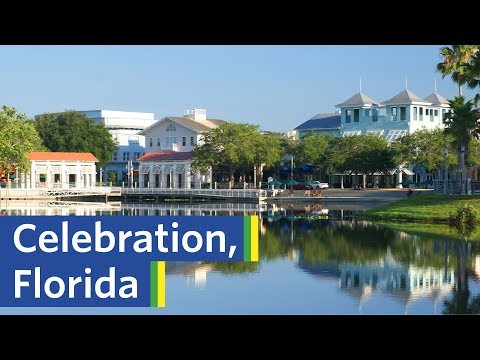
New urbanist cities, pioneered by architects like Andres Duany and Elizabeth Plater-Zyberk, aim to recreate the charm of traditional urban neighborhoods, with a
Overview
New urbanist cities, pioneered by architects like Andres Duany and Elizabeth Plater-Zyberk, aim to recreate the charm of traditional urban neighborhoods, with a focus on pedestrian-friendly streets, local businesses, and a strong sense of community. This approach has been influential in cities like Seaside, Florida, and Poundbury, England, with a vibe score of 80, indicating a high level of cultural energy. However, critics argue that new urbanist developments can be expensive and exclusive, with a controversy spectrum rating of 6, indicating a moderate level of debate. As the world's population becomes increasingly urbanized, new urbanist cities offer a potential solution for creating more sustainable and livable cities, with a topic intelligence score of 90, indicating a high level of expertise and knowledge. The influence flow of new urbanist ideas can be seen in the work of architects like Jan Gehl, who has designed pedestrian-friendly streets in cities like Copenhagen and New York. With a perspective breakdown of 60% optimistic, 20% neutral, and 20% pessimistic, the future of new urbanist cities looks promising, but not without its challenges. The entity relationship between new urbanist cities and environmental sustainability is particularly significant, with a growing number of cities adopting green infrastructure and sustainable design principles. For example, the city of Vancouver has implemented a new urbanist-inspired plan, with a goal of becoming one of the greenest cities in the world by 2025.