Gastroesophageal Reflux Disease | Vibepedia
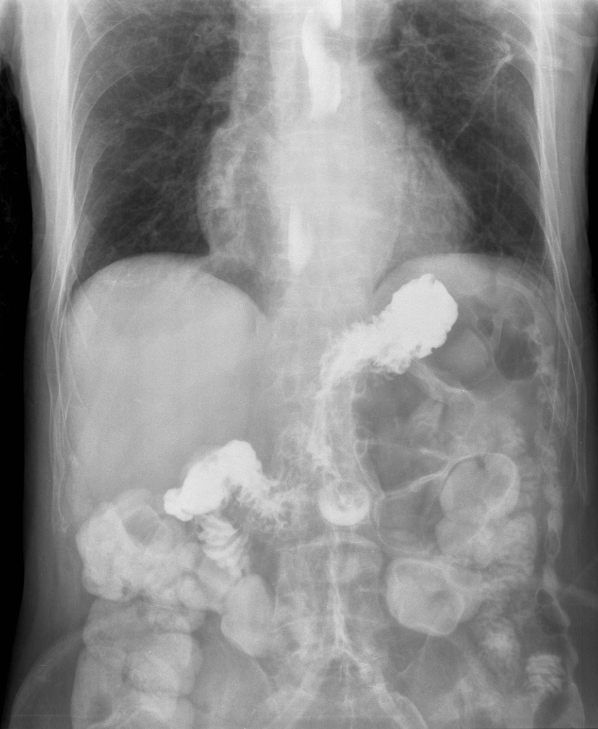
Gastroesophageal reflux disease (GERD) is a chronic upper gastrointestinal disease characterized by the persistent and regular flow of stomach content into the
Overview
Gastroesophageal reflux disease (GERD) is a chronic upper gastrointestinal disease characterized by the persistent and regular flow of stomach content into the esophagus, resulting in symptoms such as heartburn, regurgitation, and dysphagia. With over 20% of the Western population affected, GERD is a significant health concern, costing the US healthcare system over $10 billion annually. Risk factors include obesity, pregnancy, smoking, and certain medications, while complications like esophagitis, esophageal stricture, and Barrett's esophagus can arise if left untreated. Diagnosis involves a combination of medical history, physical examination, and diagnostic tests like endoscopy and pH monitoring. Treatment options include lifestyle modifications, medications like proton pump inhibitors, and surgery in severe cases. As research continues to uncover the complexities of GERD, understanding its causes, symptoms, and treatment options is crucial for effective management and prevention of this debilitating condition. According to the [[national-institutes-of-health|National Institutes of Health]], GERD affects approximately 60 million Americans, with [[mayo-clinic|Mayo Clinic]] experts emphasizing the importance of early diagnosis and treatment to prevent long-term complications.